- Produkter
- Spektrofotometri
Spektrofotometri
Spektrofotometri
Buch & Holm har et bredt program inden for spektrofotometri og mange års erfaring med rådgivning, support og service af denne type udstyr. Vi hjælper dagligt laboratorier og virksomheder med at finde den rette løsning til både rutinemålinger, kvalitetskontrol og mere avancerede analyser.
Vores sortiment omfatter alt fra kompakte og brugervenlige spektrofotometre til mere avancerede UV/VIS-løsninger samt et stort udvalg af tilbehør og forbrugsartikler. Vi tilbyder blandt andet spektrofotometre, kalibreringsløsninger, kuvetter og tilbehør fra en række anerkendte producenter. Uanset om behovet er en enkel måling i daglig drift eller en mere specialiseret applikation, kan vi hjælpe med at finde en løsning, der matcher både krav, arbejdsgange og prøvetyper.
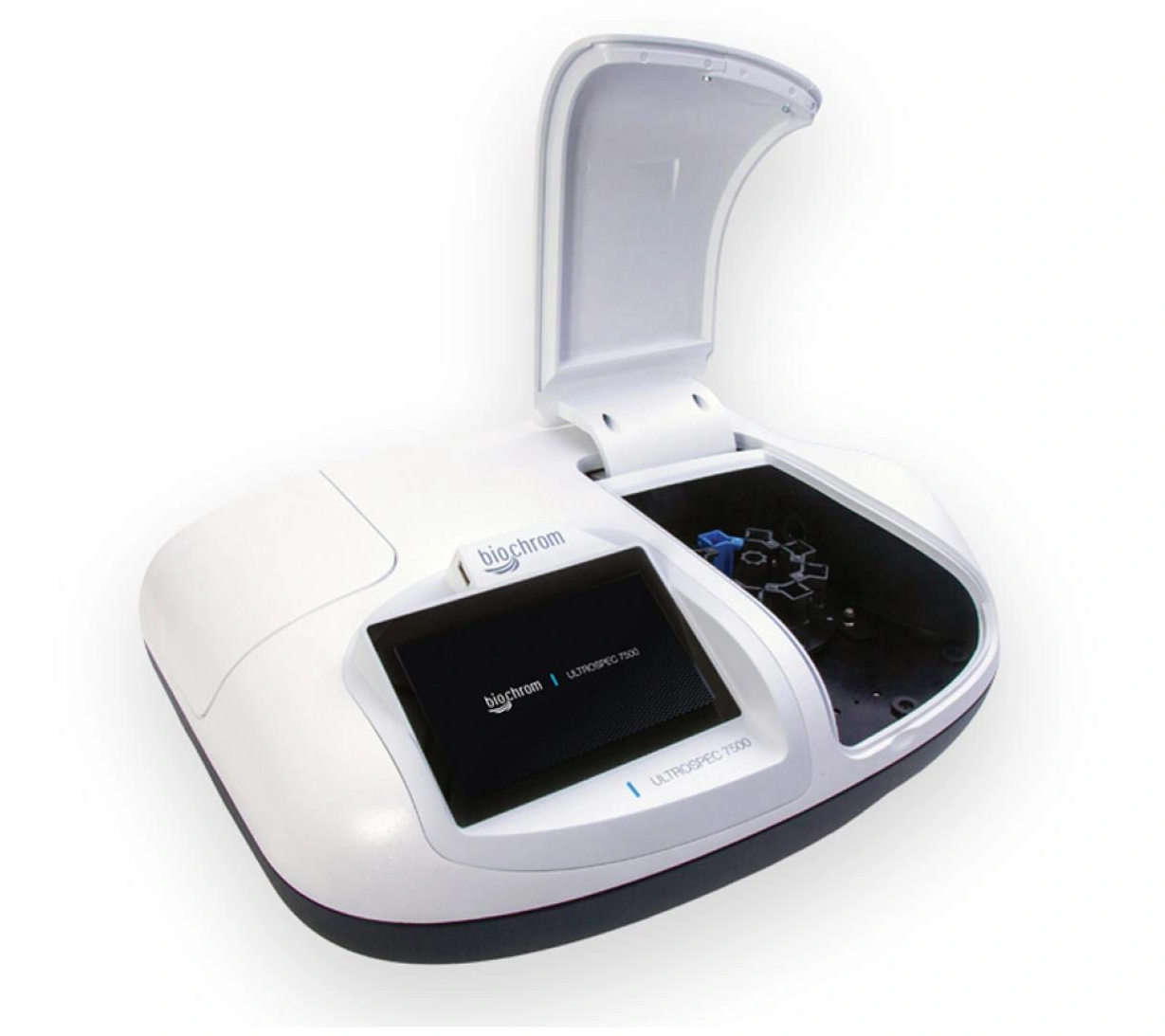
Intet produkt defineret
Intet produkt defineret i denne kategori.
Which spectrophotometer should I choose?
• Application and analysis type: Start by defining what the instrument will be used for. Do you need routine measurements, concentration determinations, enzyme analyses, water analyses, or more advanced UV/VIS measurements? The right choice depends on the sample type, method requirements, and whether you are working with simple absorbance measurements or more specialized analyses.• Wavelength range: Choose a spectrophotometer with the appropriate measurement range for your analyses. VIS instruments are suitable for measurements in the visible range, while UV/VIS models are necessary if you also need measurements in the ultraviolet range. Ensure that the instrument covers the wavelengths required by your methods and samples.
• Sample volume and format: Consider the types of sample containers you use daily. Some analyses require standard glass or plastic cuvettes, while others are performed in micro cuvettes or with very small sample volumes. It is important to choose a solution that matches the volume, format, and workflow in your laboratory.
• Accuracy and reproducibility: For quantitative analyses, stability and precision are essential. Choose an instrument with high optical quality, good wavelength accuracy, and reliable reproducibility to ensure dependable performance for both routine tasks and documentation heavy analyses.
• Ease of use and workflow: Think about who will use the instrument and how often. An intuitive interface, predefined methods, and simple data handling can make a significant difference. For busy laboratories, fast startup, easy calibration, and a clear user interface are often crucial.
• Accessories and consumables: Cuvettes, calibration standards, software, and other accessories are important parts of the overall solution. It is beneficial to choose a system with easily accessible accessories and where instrument and consumables work seamlessly together.
• Data handling and documentation: Do you need to store, export, or document results? Some models offer data storage, software integration, and PC or printer connectivity, which is advantageous if you work with quality management, traceability, or fixed analytical procedures.
• Space and laboratory setup: Consider the instrument’s size and placement in your workspace. Compact models are ideal for smaller laboratories or stations with limited space, while larger instruments may be relevant if you require more functions or higher capacity.
• Calibration and quality assurance: Regular checks and calibration are important to ensure reliable long term results. Choose a solution where calibration routines and quality control match your internal requirements and where validation and maintenance are easy to manage.
• Service and total cost of ownership: Look beyond the purchase price and consider the overall operating costs. Support availability, service options, spare parts, and compatible accessories all influence uptime and instrument lifespan. A well designed solution offers lower total costs and higher operational security.